Avoid Common Foot Mistakes – How to Choose Shoes That Fit Well and Don’t Cause Pain

Avoid Common Foot Mistakes – How to Choose Shoes That Fit Well and Don’t Cause Pain
A good pair of shoes can make all the difference — not just for your daily comfort, but for your long-term health. Yet many Americans walk around in shoes that don’t fit properly, leading to pain in the feet, knees, hips, or back. The good news is that with a little knowledge and attention, you can avoid the most common foot mistakes and find shoes that truly support you.
Know Your Feet – It Starts with Shape
Feet are as unique as fingerprints. Some are wide, others narrow; some have high arches, others are flat. That’s why there’s no one-size-fits-all shoe. Before you buy new shoes, it’s worth understanding your foot type.
- Check your arch: Wet your feet and step onto a piece of paper. If you see most of your footprint, you likely have low arches. If you see only the heel and ball of your foot with a narrow connection, you probably have high arches.
- Measure both feet: Most people have one foot slightly larger than the other. Always buy shoes that fit the larger foot.
- Pay attention to width: Many U.S. brands offer shoes in multiple widths — narrow, medium, wide, and extra wide. If your shoes often feel tight on the sides, you may need a wider fit.
Knowing your foot type helps you choose shoes that support the right areas and prevent unnecessary pressure.
Læs også:


Try Shoes at the Right Time of Day
One of the most common mistakes is buying shoes that feel “just right” in the store but end up being too small later. Feet swell throughout the day, especially if you’ve been walking or standing. That’s why it’s best to try on shoes in the late afternoon or evening, when your feet are at their largest.
When trying on shoes:
- Walk around for a few minutes to test comfort and fit.
- Make sure there’s about a half-inch (roughly a thumb’s width) of space in front of your toes.
- Your heel should stay in place without slipping.
- Your toes should move freely — you should be able to wiggle them easily.
If shoes feel tight from the start, they’re unlikely to stretch enough to become comfortable. Most materials only give slightly over time.
Choose Shoes for Function, Not Just Fashion
It’s tempting to pick shoes based on style or color, but function should always come first. Shoes designed for the right purpose support your feet properly and reduce the risk of strain or injury.
- For everyday wear: Look for shoes with good cushioning and flexible soles that move naturally with your foot.
- For work: If you stand for long hours, choose shoes with firm heel support and arch stability.
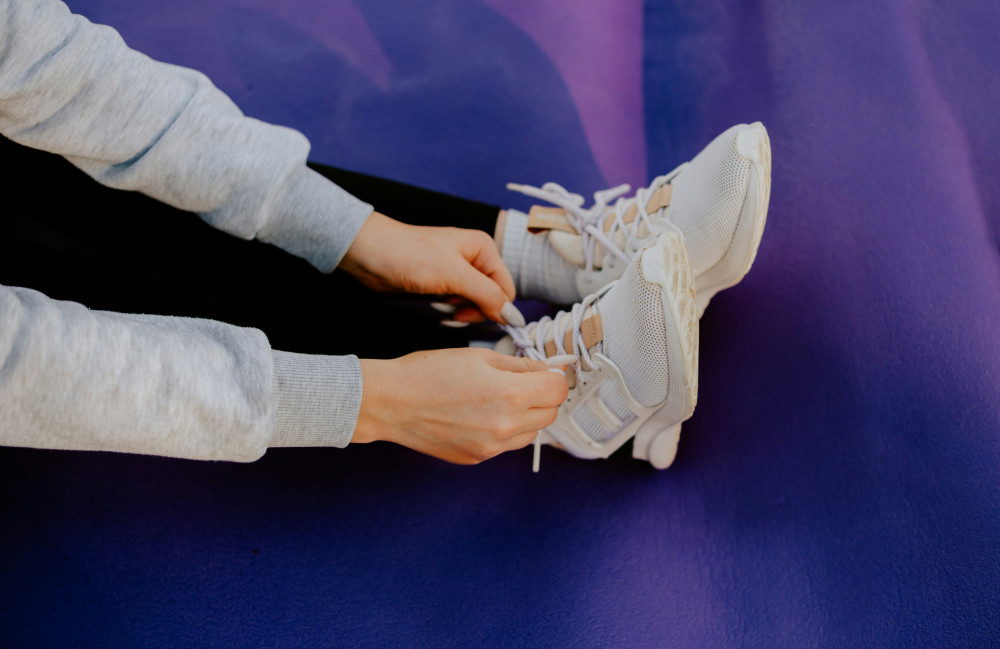
- For running or sports: Use shoes made for the specific activity — running shoes, hiking boots, or training sneakers each have unique features.
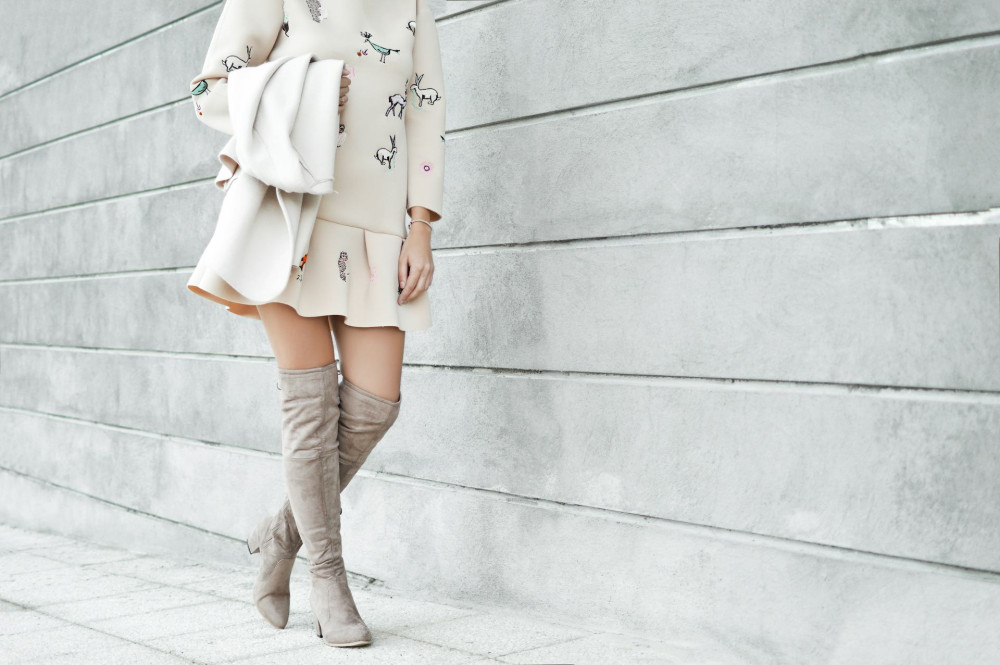
- For dress occasions: High heels and narrow-toed shoes can be stylish, but wear them in moderation. Switch to flats or supportive shoes when possible.
You don’t have to sacrifice style — it’s about finding the right balance between looks and comfort.
Materials and Quality Matter
A shoe may look great, but what’s inside determines how well it supports your feet. Leather and breathable fabrics mold to your foot and allow airflow, while synthetic materials often trap heat and moisture.
Check the construction, too:
- A cushioned midsole helps absorb shock and reduce stress on joints.
- A firm heel counter keeps your foot stable.
- A removable insole allows you to use custom orthotics if needed.
Quality shoes may cost more upfront, but they last longer and provide better support — an investment in both comfort and health.
Listen to Your Feet
Pain, soreness, or calluses are your body’s way of saying something isn’t right. Don’t ignore these signs. If you frequently get blisters, pressure points, or foot pain, your shoes may be too small, too flat, or lacking support.
Persistent problems could also be related to your gait or foot alignment. In that case, a podiatrist or orthopedic specialist can help identify the issue and recommend custom insoles or supportive footwear.
Give Your Shoes — and Feet — a Break
Even the best shoes need rest. Rotate between different pairs during the week so materials can dry and maintain their shape. This also helps reduce odor and wear.
And remember: your feet benefit from freedom. Go barefoot at home when it’s safe, or wear minimalist shoes that let your feet move naturally. This strengthens muscles and improves balance.
Good Shoes Are an Investment in Your Well-Being
Choosing the right shoes isn’t just about comfort — it’s about caring for your whole body. When your feet feel good, you move more easily, stand taller, and avoid many small aches that can grow into bigger problems over time.
So next time you shop for shoes, take your time to measure, test, and choose wisely. Your feet will thank you — every single day.
Læs også: