From Streetwear to Luxury – Men’s Jewelry in Transition

From Streetwear to Luxury – Men’s Jewelry in Transition
A few decades ago, men’s jewelry was mostly associated with rock stars, hip-hop icons, or formal accessories like cufflinks and tie bars. Today, the picture looks very different. Men’s jewelry has moved from the streets to the runway, from subculture to luxury fashion – and from statement to staple. The shift reflects changing ideas of masculinity and a new appreciation for personal style.
From Chains and Rings to Design and Detail
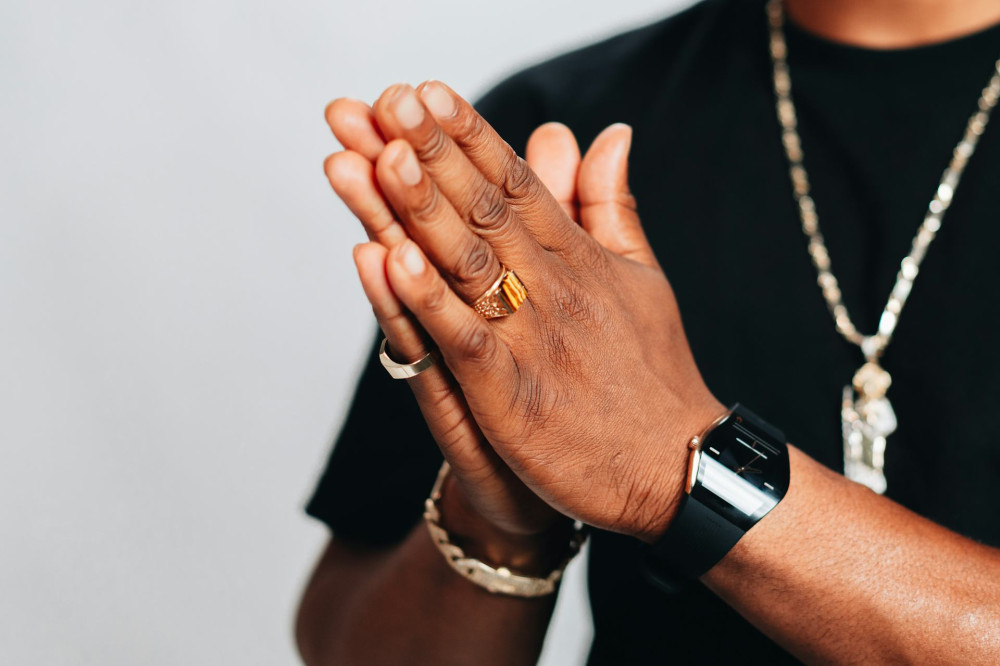
In the 1990s and early 2000s, men’s jewelry was bold and brash, heavily influenced by streetwear and hip-hop culture. Thick gold chains, oversized rings, and logo-heavy pieces were symbols of success and swagger. Jewelry was about power and belonging – not necessarily refinement.
Today, the aesthetic is more understated. Designers like Miansai, Mejuri, and David Yurman have made minimalist silver and gold pieces part of the modern man’s wardrobe. It’s no longer about flaunting wealth but about expressing individuality through subtle details. A single ring, a leather bracelet, or a simple chain can complete an outfit without overpowering it.
Luxury Brands Take Notice
High-end fashion houses have fully embraced men’s jewelry. Louis Vuitton, Gucci, and Dior now release collections where jewelry plays a central role – not as an accessory, but as a defining element of the look. These pieces are crafted with the same attention to detail as watches or shoes, designed to complement a refined yet personal aesthetic.
At the same time, traditional jewelers like Cartier and Tiffany & Co. have expanded their men’s lines. Where once there were only cufflinks and tie clips, there are now rings, necklaces, and bracelets in gold, silver, and steel – often with a modern twist that works as well with a suit as with a T-shirt and jeans.
A New Masculinity
This evolution isn’t just about fashion; it’s cultural. The modern man is no longer confined by narrow definitions of what’s “masculine.” Jewelry has become a way to express individuality and aesthetic confidence – without apology or explanation.
Celebrities and social media have played a major role in this shift. Musicians like A$AP Rocky and Bad Bunny, and actors like Timothée Chalamet and Michael B. Jordan, have normalized jewelry as part of men’s everyday style. They show that jewelry can be elegant, playful, and deeply personal – regardless of gender.
Læs også:



Materials and Sustainability Matter
Another defining trend is the growing focus on materials and craftsmanship. Many men today care about where their jewelry comes from and how it’s made. Recycled silver, ethically sourced gold, and handcrafted details have become marks of quality that appeal to the conscious consumer.
Jewelry is no longer just about appearance – it’s about story. It might be a family heirloom, a handmade piece from a local artisan, or a sustainable brand that combines design with responsibility. The meaning behind the piece is as important as the design itself.
Everyday Style, Not Special Occasion
Where jewelry was once reserved for formal events, it’s now part of everyday wear. A bracelet can sit next to a watch, a ring can carry personal symbolism, and a necklace can add character to a casual outfit. It’s not about decoration anymore – it’s about balance between the rugged and the refined.
Men’s jewelry has become a language of style – one that can be subtle or bold, but always personal.
From Trend to Tradition
What began as a trend has become a permanent part of men’s fashion. Jewelry is no longer an experiment but an established element of the modern wardrobe. From streetwear to luxury, the journey has been one of transformation – and of growing recognition that style knows no gender, and that self-expression is the most valuable accessory of all.
Læs også: