Light and Shadow: How to Create Depth and Atmosphere in a Room

Light and Shadow: How to Create Depth and Atmosphere in a Room
Light is one of the most powerful tools in interior design. It can make a small room feel spacious, turn a cold space warm, and set the mood for relaxation or focus. But it’s not just about brightness. Shadows, contrast, and the balance between light and dark are what truly bring a room to life. Here’s how you can use light and shadow intentionally to create depth and atmosphere in your home.
Understanding the Role of Light
Light does more than help us see—it shapes how we feel. A room with flat, uniform lighting can seem dull, while one with layered, varied light feels dynamic and inviting.
There are three main types of lighting to consider:
- Ambient lighting – the general illumination that allows you to move around safely.
- Task lighting – focused light for specific activities like reading, cooking, or working.
- Accent lighting – softer, decorative light that adds warmth and highlights features.
When you combine these three types, you create a space that’s both functional and full of character.
Læs også:
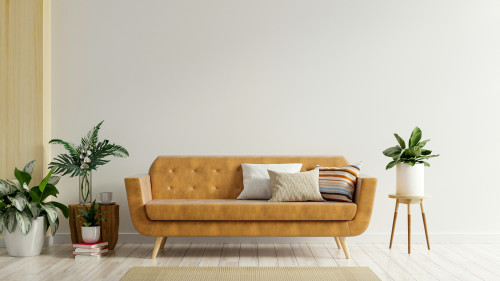
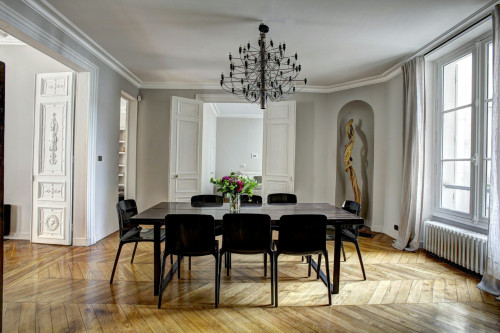
Play with Contrast
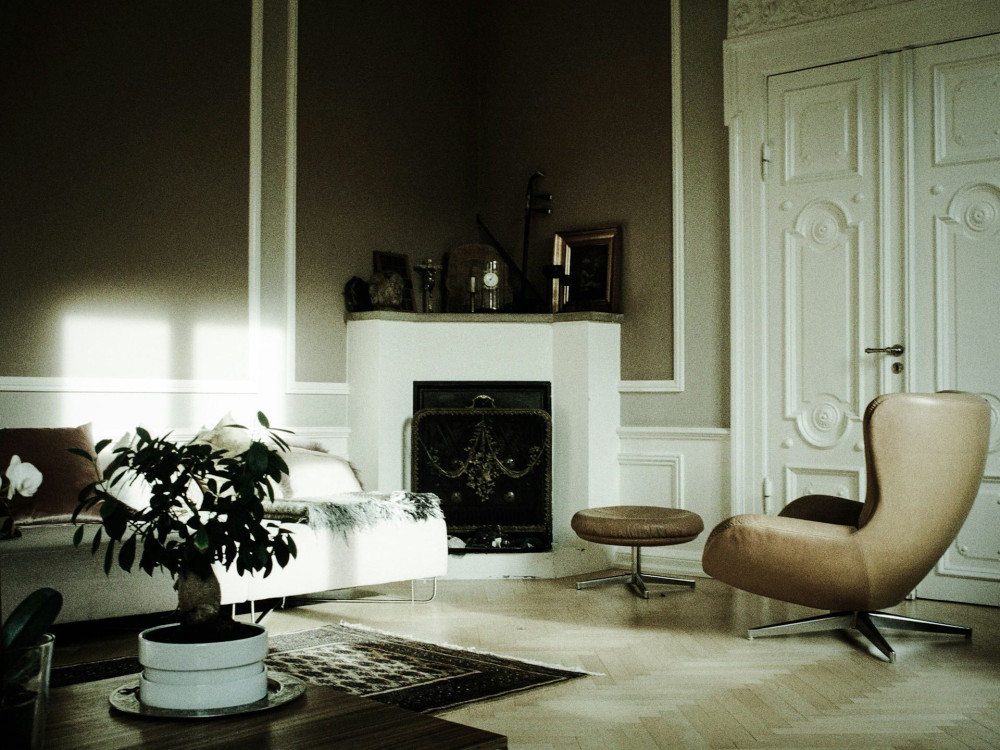
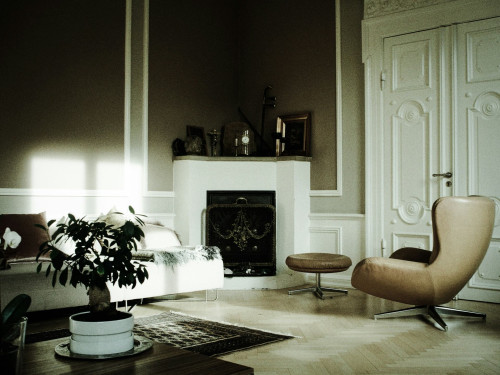
Shadows aren’t something to eliminate—they’re essential for depth. The interplay between light and dark gives a room texture and dimension. If everything is evenly lit, the space can feel flat and lifeless.
Try leaving some areas in partial shadow while highlighting others. A wall sconce that grazes a textured surface can make it stand out beautifully. A darker corner can add calm and balance to a bright room. The key is to embrace contrast rather than avoid it.
Make the Most of Natural Light
Daylight changes throughout the day—cool and crisp in the morning, warm and golden in the evening. By observing how sunlight moves through your home, you can arrange furniture and choose materials that make the most of it.
- Place workspaces where daylight is strongest.
- Use sheer curtains to filter light without blocking it.
- Add mirrors or light-colored surfaces to reflect and spread natural light.
Working with daylight instead of against it creates a more harmonious and natural atmosphere.
Layer Your Lighting
A well-designed lighting plan has multiple layers. Instead of relying on a single overhead fixture, mix different light sources at various heights and intensities. This gives you flexibility and allows you to shift the mood as needed.
- Ceiling lights provide general illumination.
- Wall sconces and table lamps create softer zones.
- Floor lamps can highlight corners or balance the layout.
- Indirect lighting—such as behind shelves or under cabinets—adds a subtle glow that makes a room feel cozy and inviting.
By turning different lights on or off, you can easily move from bright and energetic to calm and intimate.
Color Temperature and Materials
The color of light affects how we perceive both color and texture. Cool white light enhances clarity and works well in kitchens or bathrooms. Warm light, with its golden tone, creates a relaxed, comfortable feel—perfect for living rooms and bedrooms.
Materials also play a role: glossy surfaces reflect light, while matte or dark finishes absorb it. Combining both creates visual balance and depth.
Use Light to Tell a Story
Lighting can highlight what matters most to you—a piece of art, a plant, or an architectural detail. By choosing what to illuminate, you guide the eye and give your space a sense of narrative. This makes your home feel personal and expressive.
Think about how you move through your home during the day. Which areas should feel lively and which should invite rest? Light can subtly direct attention and support each room’s purpose.
Set the Mood with Dimmers and Variety
A dimmer switch is a simple but powerful tool. It lets you adjust brightness to match the time of day or your mood. Bright light energizes mornings, while dimmed light in the evening encourages relaxation.
You can also mix different lamp styles, shades, and light directions. This variation creates a layered, organic look that evolves with the day.
Light and Shadow as a Design Tool
Ultimately, working with light and shadow is about balance. Too much light can feel sterile, while too little can make a room heavy. When you find the right mix, you create a space that’s both functional and emotionally engaging.
Let light be more than a necessity—make it part of your design story. It’s in the meeting of light and shadow that a room truly gains depth, warmth, and soul.
Læs også: