Textiles and Sound: How to Create a Space That Looks Great and Sounds Comfortable


Textiles and Sound: How to Create a Space That Looks Great and Sounds Comfortable
A beautifully designed room can lose its charm if the acoustics don’t match the aesthetics. Hard surfaces like glass, concrete, and hardwood floors cause sound to bounce around, making even normal conversation feel harsh or tiring. Fortunately, textiles—rugs, curtains, upholstery, and wall hangings—can make a remarkable difference. They not only add visual warmth but also create a more comfortable sound environment. Here’s how you can use textiles to design a space that both looks great and sounds inviting.
Why Acoustics Matter
Acoustics are all about how sound moves through a space. When sound waves hit hard surfaces, they reflect and create echoes or reverberation. In modern interiors with open layouts, large windows, and minimal furnishings, this can make a room sound hollow or noisy.
Good acoustics don’t mean a completely silent room—it’s about balance. The goal is to soften and evenly distribute sound so that conversations, music, and daily life feel natural and pleasant. Textiles are one of the most effective and stylish ways to achieve that balance.
Curtains: The First Line of Sound Absorption
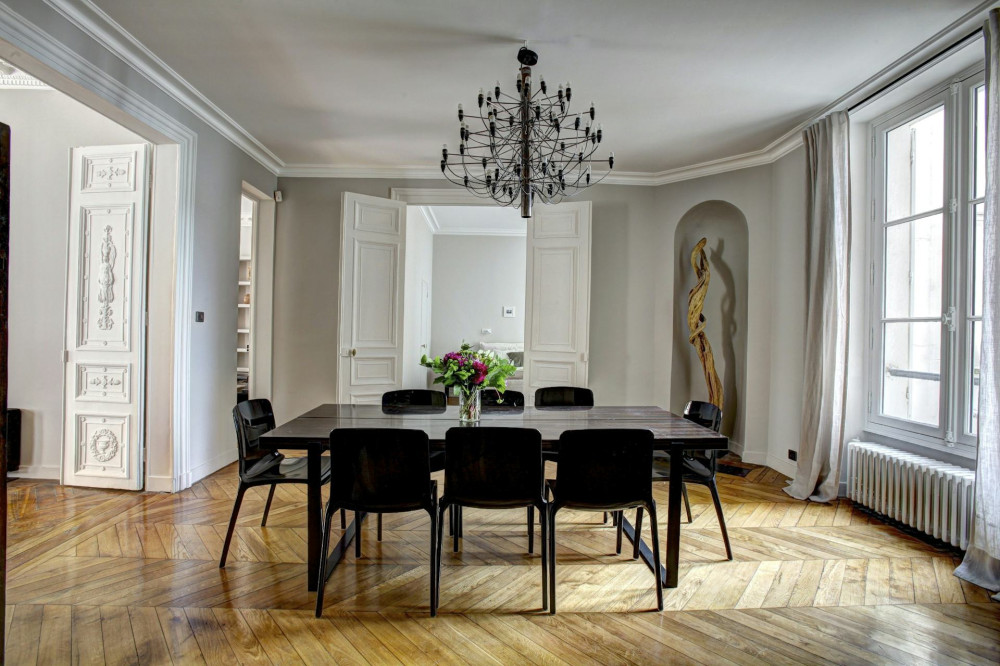
Curtains do more than block sunlight or add privacy—they play a key role in sound control. Heavy fabrics like wool, velvet, or thick cotton absorb sound and reduce echo. The thicker and more pleated the curtains, the better they perform acoustically.
If you prefer a lighter look, layer sheer curtains with a heavier set behind them. This gives you flexibility: draw the heavy curtains when you want quiet, and let the sheers take center stage when you want a bright, airy feel.
Rugs: The Sound’s Best Friend on the Floor
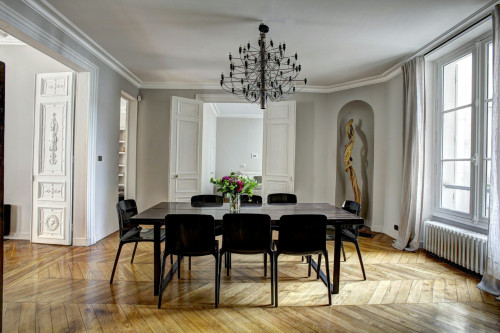
Bare hardwood or tile floors can amplify even small noises. A large area rug—especially one with a thick pile or pad—helps absorb footsteps and reduce reverberation. In living rooms and bedrooms, choose rugs that cover a generous portion of the floor, while smaller rugs can be used strategically in hallways or under dining tables.
Wool is a classic choice because it’s durable, natural, and excellent at absorbing sound. But dense synthetic fibers can also work well, especially in high-traffic areas.
Furniture and Layered Textiles
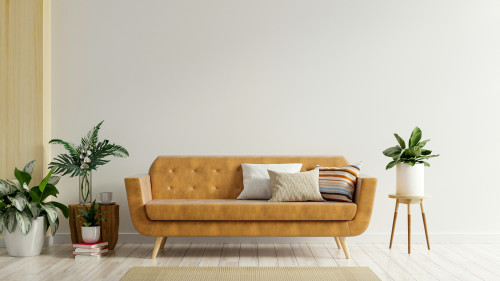
Upholstered furniture, throw pillows, and blankets don’t just add coziness—they also help break up sound waves. A room filled with soft surfaces will always sound more comfortable than one dominated by hard materials.
Think in layers: a fabric-covered sofa, pillows in different textures, and a throw draped over the armrest create both visual depth and acoustic balance. Even small touches like upholstered dining chairs or a padded bench can make a noticeable difference.
Læs også:
Walls and Ceilings: Don’t Forget the Big Surfaces
If your space still feels echoey, consider textile solutions for walls and ceilings. Fabric-covered acoustic panels or wall hangings can double as decorative art while improving sound quality. You can also use fabric bulletin boards, woven tapestries, or textile-based artwork to soften reflections.
In rooms with high ceilings, acoustic ceiling panels or fabric-covered baffles can discreetly enhance sound comfort without changing the overall design.
Balancing Aesthetics and Function
The beauty of textiles is that they let you play with color, pattern, and texture while improving acoustics. You can create a calm, minimalist look with light, natural fabrics or go bold with rich, dark materials for a dramatic effect.
The key is balance—making the room feel both inviting and acoustically pleasant. Start with the major surfaces—floors, windows, and furniture—and then layer in smaller textile elements until the sound feels just right.
A Space That Feels Good to Be In
When textiles work together, the difference is tangible. Voices sound softer, music becomes clearer, and the room feels calm. It’s not just an aesthetic upgrade—it’s an investment in your everyday comfort.
A beautiful space isn’t only something you see—it’s something you hear and feel. With the right textiles, you can create a home that looks stunning and sounds just as good.
Læs også: