Confidence at Kids’ Level: Clothing That Boosts Well‑Being and Looks Great

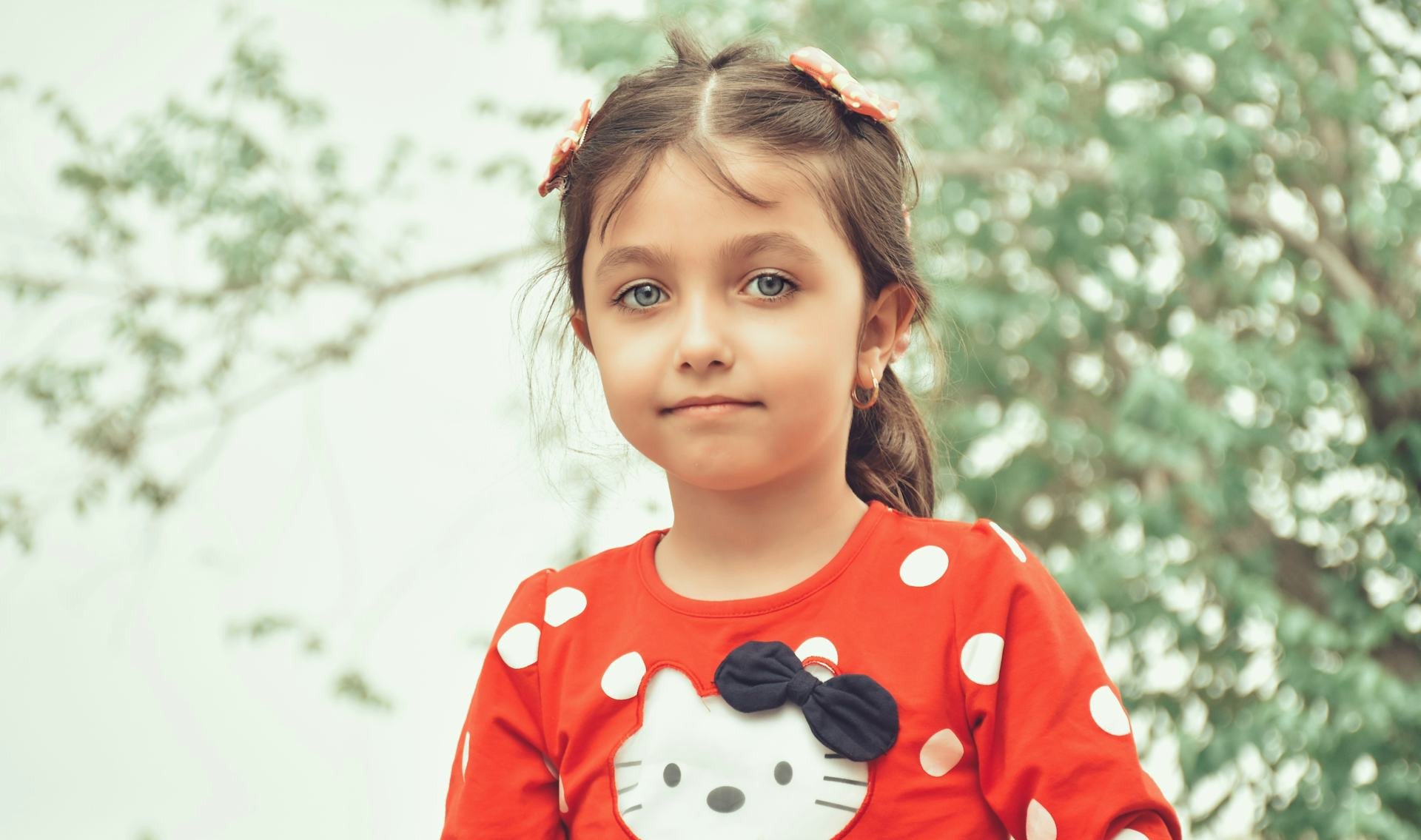
Confidence at Kids’ Level: Clothing That Boosts Well‑Being and Looks Great
When kids pick out their clothes, it’s about more than colors, patterns, or what’s trending. It’s about how they feel in what they wear. Clothing can play a big role in a child’s sense of identity and well‑being—it’s a way to express themselves, feel secure, and build confidence. In a world full of expectations and comparisons, the right outfit can help children feel comfortable in their own skin and ready to take on the day.
Clothing as Part of a Child’s Self‑Image
From an early age, children start forming ideas about who they are and how they want to present themselves. Clothing is part of that process. When a child gets to choose what to wear, it sends a powerful message: I have a say in who I am. That sense of autonomy can be an important step toward developing confidence and independence.
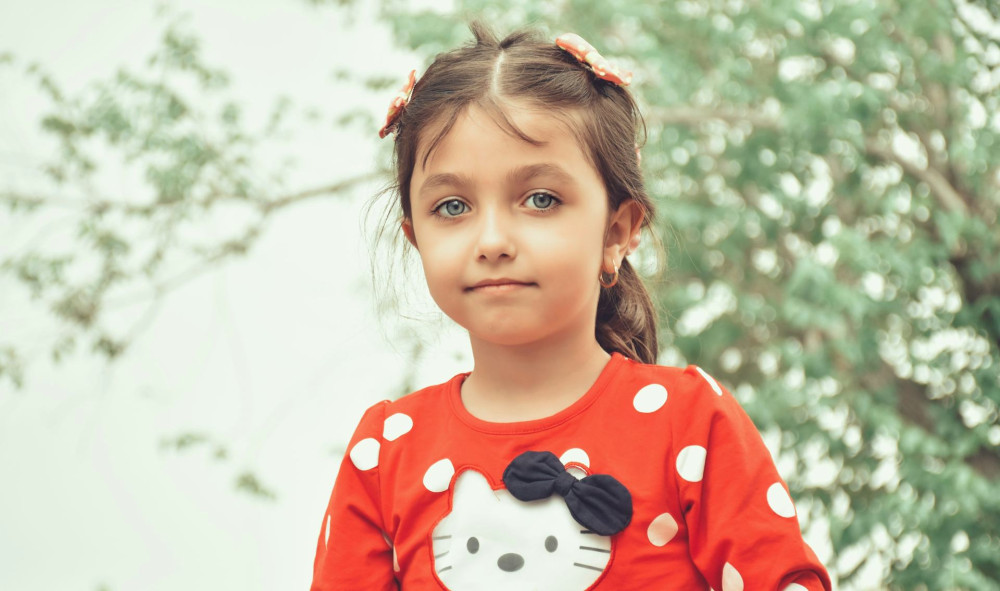
For some kids, that might mean bright colors and sparkles; for others, it’s all about soft fabrics and simple designs. What matters most is that the child feels good—physically and emotionally. A child who feels uncomfortable or “wrong” in their clothes may become self‑conscious, while one who feels at ease often radiates confidence and joy.
Comfort and Freedom to Move
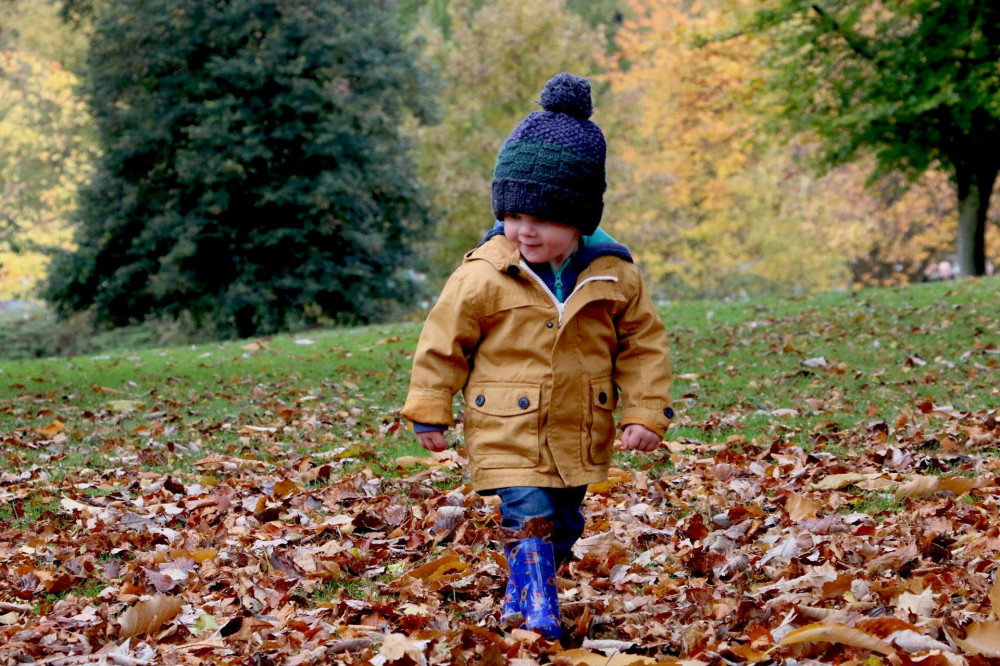
Looks matter, but comfort matters just as much. Kids run, climb, and play all day long—so clothes that pinch, itch, or slip can quickly lead to frustration. Soft materials, stretchy waistbands, and flexible fits help children focus on fun and learning instead of tugging at their clothes.
Comfort also brings a sense of security. Many kids have a favorite hoodie or pair of leggings they reach for again and again because those pieces feel familiar and safe. That small preference says a lot about how clothing can support emotional well‑being.
Color, Patterns, and Personality
Colors influence mood—even for kids. Some feel energized by bold shades, while others prefer calm, neutral tones. Letting children help choose their colors and patterns gives them a sense of ownership and self‑expression.
There are no “right” colors for boys or girls, despite what old traditions or ads might suggest. When kids are free to choose what they like—without being boxed in by gender stereotypes—they learn that their preferences are valid. That freedom can be a powerful boost to self‑esteem.
Læs også:
Clothing and Social Belonging
At school and in after‑school activities, clothing can also shape social experiences. Kids notice what others wear, and that can create both connection and pressure. Parents can help by guiding children to find a balance between fitting in and staying true to themselves.
It’s not about chasing every trend—it’s about helping kids understand that what matters most is how they feel in their clothes, not what others think. Talking about why they like certain outfits can give them tools to handle social situations with confidence and kindness.
Conscious Choices and Sustainability
More families in the U.S. are thinking about where their clothes come from and how they’re made. Involving kids in conversations about sustainability can give them a sense of responsibility and pride. When children know their clothes are made with care for people and the planet, it can strengthen their sense of doing something good—and that’s another kind of confidence.
Many American brands now combine eco‑friendly materials with fun, modern designs, so kids can look great and feel good about their choices.
How Parents Can Support Clothing Confidence
Parents play a big role in helping kids build a healthy relationship with clothing and self‑image. Try these simple steps:
- Listen to your child’s preferences—even if they don’t match your own style.
- Offer choices—for example, between two outfits—so your child feels included.
- Talk about comfort—help them notice how clothes feel, not just how they look.
- Celebrate individuality—yours, your child’s, and others’.
- Make getting dressed fun—a shared activity instead of a daily struggle.
When children feel that their opinions matter, their confidence grows—and that confidence shows far beyond the closet.
Clothing as a Part of Well‑Being
Confidence at kids’ level isn’t about following fashion—it’s about feeling comfortable and authentic. Clothing can be a small but meaningful tool in helping children express who they are and feel good about it. When kids are free to dress in ways that reflect their personalities, they’re also learning to stand tall in who they are. And that’s the kind of style that never goes out of fashion.
Læs også: