How to Prevent Moisture and Odor in Stored Kids’ Clothes

How to Prevent Moisture and Odor in Stored Kids’ Clothes
Kids grow fast, and their clothes often outgrow them long before they wear out. Storing those outgrown outfits for younger siblings or future use is a great way to save money and reduce waste—but only if the clothes stay fresh and clean. Without proper care, stored clothing can develop musty smells or even mildew. Here’s a practical guide to keeping your children’s clothes dry, fresh, and ready to wear when you need them again.
Wash and Dry Thoroughly Before Storing
The most important step is to make sure every item is completely clean and dry before you pack it away. Even tiny traces of sweat, food, or detergent can cause unpleasant odors over time.
- Wash all clothes according to the care label, using a gentle, fragrance-free detergent.
- Skip fabric softener, which can leave a residue that traps moisture.
- Dry completely—either in the dryer or on a clothesline in fresh air. Even a little leftover dampness can lead to mildew.
A good rule of thumb is to let clothes air out for an extra day after drying to ensure all moisture is gone.
Choose the Right Storage Containers
The way you store clothes makes a big difference. Avoid sealing them in plastic bags, which can trap humidity. Instead, try:
- Plastic storage bins with tight-fitting lids, ideally with small ventilation holes.
- Fabric or vacuum-sealed bags, which protect against dust and insects—just make sure the clothes are bone dry first.
- Acid-free cardboard boxes, a great option for natural fabrics like cotton and wool.
You can also place sheets of tissue paper between layers to prevent creasing and make unpacking easier later.
Avoid Damp Storage Areas
Even perfectly packed clothes can absorb moisture if stored in a damp environment. Basements, attics, and garages often have fluctuating temperatures and humidity levels that can damage fabrics.
Choose a dry, temperature-controlled space—like a closet, under-bed storage, or a spare room. If you must store clothes in a less ideal location, add moisture absorbers or silica gel packets to your containers to help control humidity.
Check your stored clothes a couple of times a year, especially during humid months, to make sure everything stays dry.
Use Natural Odor and Pest Control
To keep clothes smelling fresh and free from insects, use natural options instead of chemical air fresheners or mothballs.
- Lavender sachets add a light scent and deter moths.
- Cedar blocks or balls are a classic choice for keeping insects away.
- Baking soda in a small open pouch can neutralize odors without adding fragrance.
Avoid strong perfumes or chemical deodorizers, which can cling to fabrics and irritate sensitive skin.
Sort and Label for Easy Access
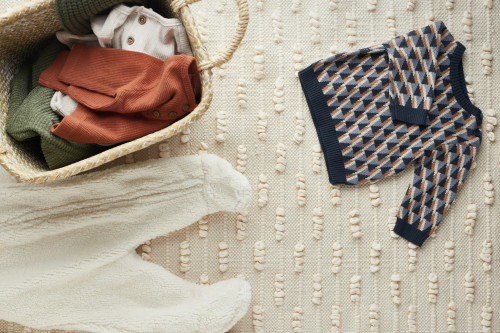
While you’re packing, take a few minutes to organize clothes by size and season. This makes it much easier to find what you need later.
Label each container clearly—for example, “Winter 2T–3T” or “Summer 4–5 years.” You’ll save time and keep your storage system organized.
Læs også:

Freshen Up When You Unpack
When it’s time to bring the clothes out again, they may need a little airing even if they were stored properly. Hang them outside or near an open window for a few hours. Wash frequently used items before wearing.
If you notice a faint musty smell, try placing the clothes in the freezer overnight or washing them with a small amount of white vinegar in the rinse cycle—both methods help eliminate lingering odors safely.
A Final Tip: Think Long-Term
Taking good care of your kids’ clothes not only keeps them looking nice but also makes it easier to pass them along to others. Proper storage saves money, reduces waste, and helps the environment.
A little extra effort when packing away those tiny outfits ensures they’ll stay fresh, clean, and ready for the next child who wears them.
Læs også: