Security Through Clothing – Why Comfort Matters for Children


Security Through Clothing – Why Comfort Matters for Children
When children play, learn, and explore, their clothing is more than just something that keeps them warm. It’s part of their sense of security, freedom of movement, and self-expression. Comfortable clothing allows kids to be themselves—without being distracted by stiff fabrics, itchy seams, or tight fits. That’s why comfort plays a much bigger role in children’s well-being than many might realize.
Clothing as a Source of Security
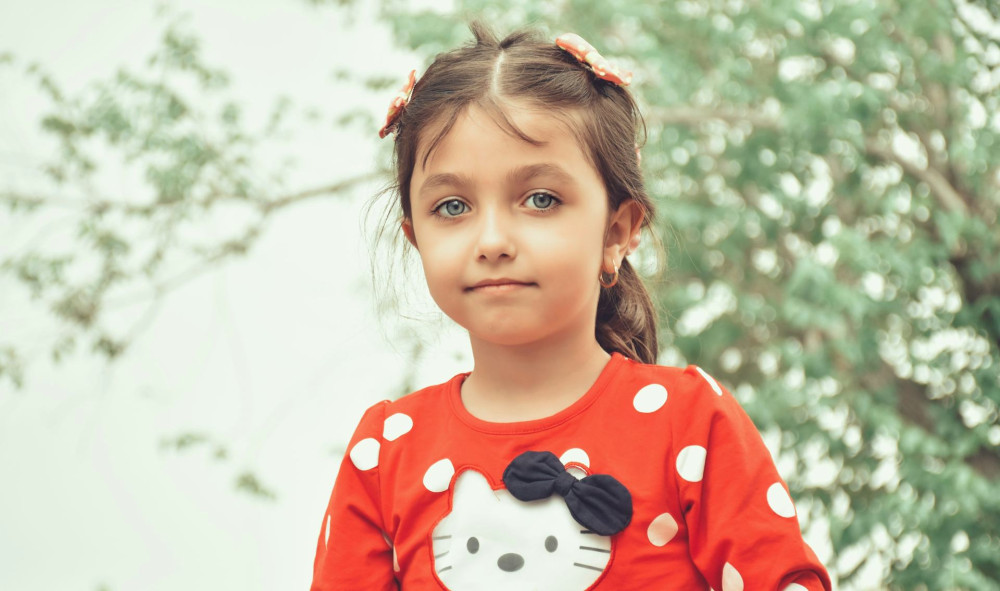
For children, clothing is closely tied to feelings of safety and familiarity. A soft hoodie, a favorite pair of jeans, or a T-shirt with a beloved character can provide comfort in a world that’s constantly changing. It’s no coincidence that many kids have a piece of clothing they don’t want to part with—it serves as a kind of emotional anchor.
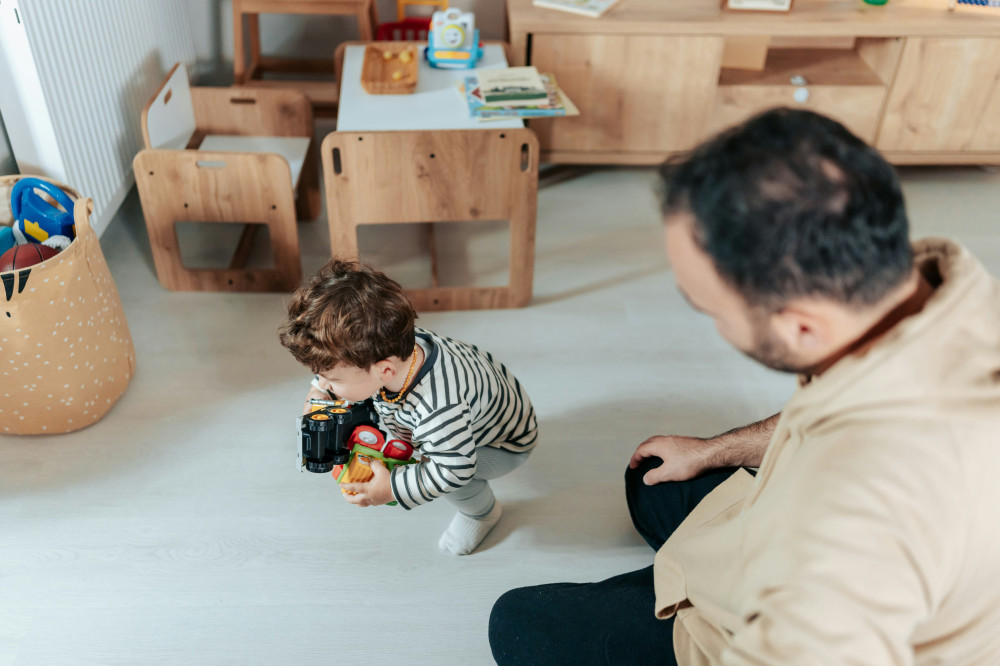
When clothes feel good against the skin, children can relax and focus on play and learning instead of being distracted by discomfort. This is especially important in daycare centers and schools, where kids spend long hours and need to move freely throughout the day.
Materials That Make a Difference
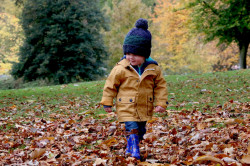
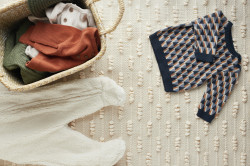
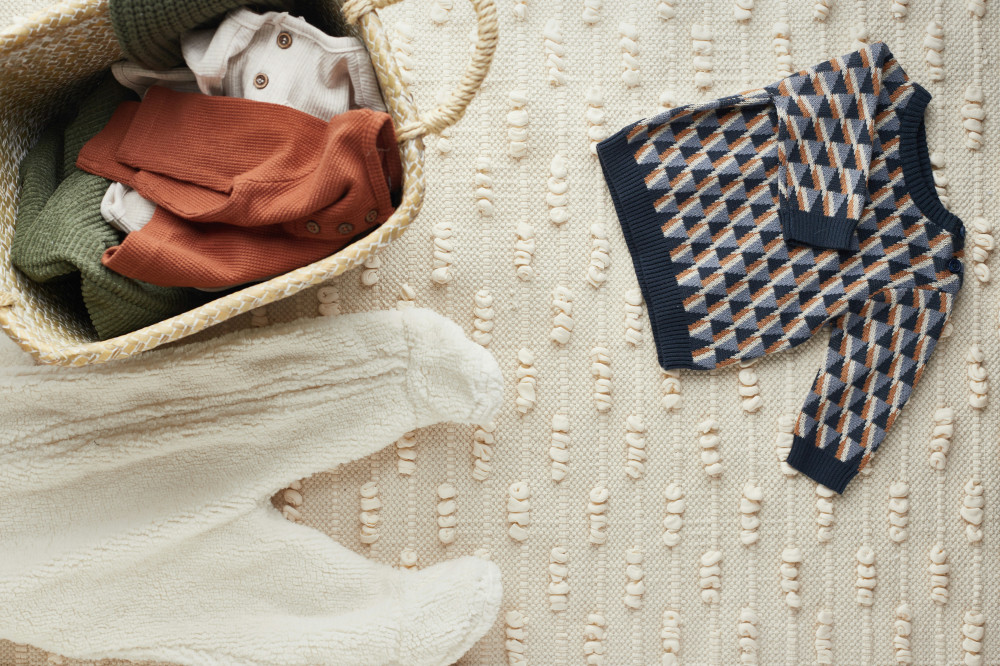
The choice of materials has a major impact on how clothing feels and performs. Natural fabrics like cotton, wool, and bamboo are popular because they’re breathable and soft against the skin. They help regulate body temperature, keeping children comfortable whether they’re indoors or outside.
It’s also important that children’s clothing is free from harmful chemicals and dyes. Many American parents today look for certifications such as OEKO-TEX® or GOTS, which ensure that fabrics have been tested for substances that could be harmful to health. This adds an extra layer of reassurance—for both children and parents.
Freedom to Move
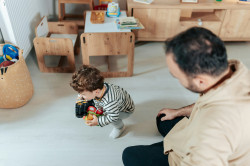
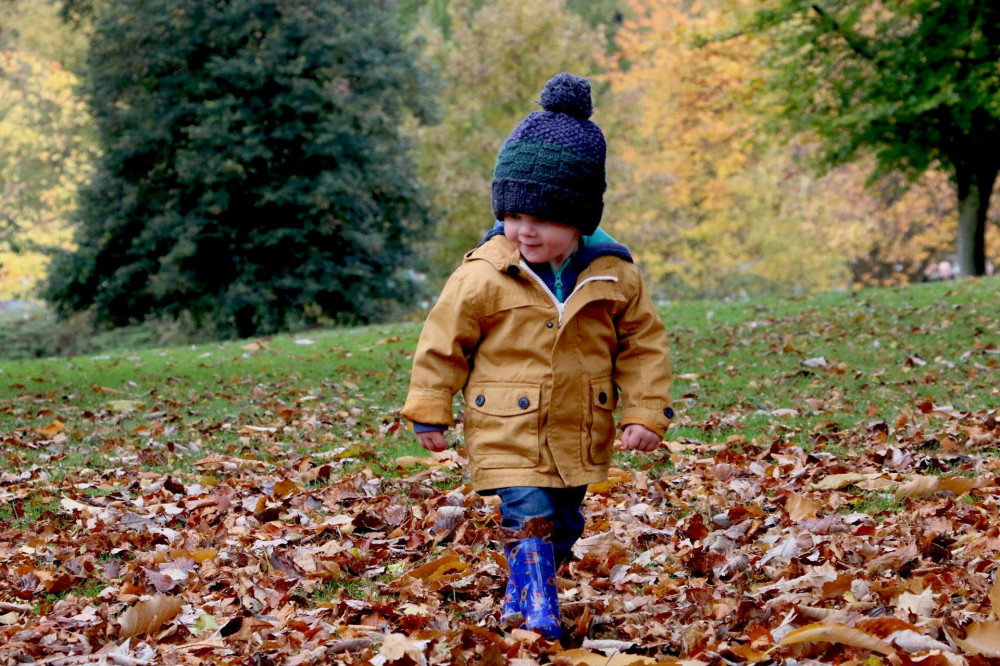
Children are constantly in motion. They crawl, jump, run, and climb—and their clothes need to keep up. Pants that are too tight, seams that rub, or fabrics that don’t stretch can quickly become obstacles to play and exploration.
That’s why it’s smart to choose clothing with flexible fits and elastic details that allow for movement. This is especially important for preschoolers and elementary school children, who are learning to dress themselves. Functional, easy-to-wear clothing supports independence and confidence.
Comfort and Independence Go Hand in Hand
When children feel comfortable in their clothes, they also feel more confident. They’re more likely to move freely, take initiative, and join in activities without worrying about how their clothes fit. It may seem like a small thing, but it has a big impact on a child’s self-esteem and daily happiness.
Clothing that’s easy to put on and take off also helps children develop independence—whether they’re getting ready for recess, changing for sports, or using the restroom. These small successes build a sense of capability that’s essential for growing confidence.
Læs også:
The Emotional Side of Comfort
Comfort isn’t just physical—it’s emotional, too. A child who feels good in their clothes feels more secure in social situations. On the other hand, uncomfortable clothing can lead to irritation, restlessness, and reluctance to participate in activities.
That’s why it’s worth involving children in choosing their clothes. When they get to pick colors, patterns, and styles that reflect their personality, they feel a sense of ownership and joy. It makes daily routines smoother—for both kids and parents.
An Investment in Well-Being
Comfortable children’s clothing isn’t a luxury—it’s an investment in well-being. When clothing supports movement, security, and independence, it contributes to a happier, more harmonious everyday life.
Ultimately, it’s about creating an environment where children can be themselves—whether they’re playing on the playground, sitting in the classroom, or relaxing at home. Security through clothing begins with comfort—and that’s something children can feel every single day.
Læs også: